Fitness Gear That Helps You Stay Active at Home
Working out at home can be efficient, affordable, and sustainable — if you pick the right gear. The goal is to choose tools that match your space, goals, and schedule so you actually use them.
This guide covers practical, reliable pieces of equipment and accessories that support cardio, strength, recovery, and consistency. Each recommendation focuses on usability, versatility, and how it fits into everyday life.
Cardio and full-body: rowing machines that earn their space
Rowing machines deliver a low-impact, high-return workout that combines cardio and strength in one session. For small homes they’re often worth the footprint because they target legs, core, and upper body while being gentle on joints. Consider models with adjustable resistance and a compact rail to save space when not in use. A solid example to review is the Sunny Health & Fitness Compact Rowing Machine, which balances size and functionality for regular at-home sessions.
Strength training essentials for every home gym
Free weights, bands, and a sturdy bench or adjustable stand cover most strength needs without investing in bulky machines. Dumbbells (or adjustable dumbbells), resistance bands, and a kettlebell let you scale resistance and move through compound lifts. For organization and protecting floors, think about multi-use storage and durable mats from your Home Essentials — they keep gear tidy and workouts comfortable.
Compact, smart gear for small spaces
If you need tech that saves time and provides feedback, look for compact smart devices: app-connected rowers, smart jump ropes, compact treadmills, and digital scales. These tools make short sessions measurable and motivating. Explore options and accessories in the Tech & Gadgets category to find devices that blend into a small apartment or multipurpose room.
Recovery and mobility: small tools, big impact
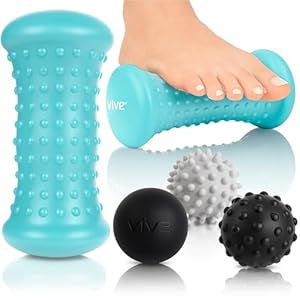
Recovery shouldn’t be an afterthought; consistent mobility work prevents setbacks and improves performance. Small, targeted tools like massage balls and trigger-point tools are inexpensive and effective. A great starter kit is the Vive Massage Ball Set — it covers plantar, calf, and back work and stores easily in a drawer.
At-home recovery rituals: massage, heat, and rest
Beyond tools, build routines that support recovery: 10–15 minutes of foam rolling, targeted percussion or massage, and a consistent sleep routine. Consider products and techniques from the Wellness & Self-Care section for sleep and stress management, and look to the Massage & Spa category for devices and therapies that speed recovery without leaving home.
Music, audio, and motivation: make movement enjoyable
Good audio keeps tempo and lifts mood. Use a reliable pair of wired or wireless headphones, or a compact speaker that pairs with your phone to run guided workouts or playlist intervals. Browse the Audio & Television picks to find gear that delivers clear sound and stays comfortable during sweat sessions.
Clothing and comfort: what to wear at home
Functional clothing makes home workouts easier — moisture-wicking tops, supportive shorts or leggings, and breathable socks. Comfortable apparel reduces distractions and friction for longer, higher-quality workouts. Check the Clothing section for basics that hold up to frequent washing and movement.
Checklist: gear to consider for staying active at home
- Cardio: Compact rower or stationary bike (space and noise appropriate)
- Strength: Adjustable dumbbells, kettlebell, resistance bands
- Flooring: Non-slip mat or tiles for stability and floor protection
- Recovery: Massage balls or foam roller and a basic stretching strap
- Tech: Heart rate monitor or smart device for tracking progress
- Audio: Comfortable headphones or a compact Bluetooth speaker
- Apparel: Breathable, well-fitting workout clothes and grip socks
How to choose the right pieces for your routine
Start with your most likely weekly routine: if you enjoy short, intense sessions, invest in adjustable dumbbells and bands. If you prefer steady-state cardio, prioritize a compact rower or bike. Balance upfront cost against frequency: cheaper gear that gets used beats premium items that gather dust. Measure your storage space and think about foldability or vertical storage before you buy.
FAQ
- What’s the most versatile single piece of equipment? Adjustable dumbbells or a high-quality resistance band set — both enable a wide range of movements and scale with progress.
- Do I need a lot of space to build a home routine? No. Many effective workouts require only a few square feet: bodyweight circuits, bands, dumbbells, and rolling for recovery can all be done in compact footprints.
- How should I maintain home fitness gear? Wipe sweaty surfaces after use, store bands away from direct sun, keep electronics charged and dust-free, and periodically check moving parts and bolts.
- Are smart fitness devices worth it? They’re valuable if you respond to feedback and tracking. For motivation and measurable progress they can increase consistency, but basic devices work fine if you prefer simplicity.
- What’s a good recovery routine after home workouts? 10–15 minutes of light mobility work, foam rolling or massage ball work for tight areas, hydration, and prioritizing sleep. Use targeted tools to address specific sore points.
Conclusion
Staying active at home comes down to choosing a few reliable, space-appropriate tools and building simple habits around them. Start with one cardio option and one or two strength pieces, add recovery tools, and invest in comfortable apparel and good audio to make workouts enjoyable. Consistent, well-supported sessions beat equipment overload — pick gear you’ll use and store it where it’s easy to reach.
Products Featured in This Article