Recovery is the invisible half of fitness — the deliberate time you give your body to repair, adapt, and come back stronger. Prioritizing stretching, relaxation, and daily movement keeps soreness manageable, prevents setbacks, and makes consistent progress possible.
This guide breaks down practical recovery essentials you can use after workouts or on rest days. Expect clear routines, tool recommendations, and simple ways to weave recovery into everyday life so you move better and feel better without overcomplicating things.
Why active recovery beats doing nothing
Complete rest can be useful after a hard event, but most days benefit from active recovery: gentle movement that increases blood flow, eases stiffness, and stimulates healing without adding stress. Active recovery helps clear metabolic byproducts, improves joint mobility, and reduces perception of fatigue, making your next training session more productive.
Daily stretching routine: short, targeted, consistent
A focused 8–12 minute stretch sequence every day prevents tightness from accumulating. Prioritize major areas used in your training: hips, hamstrings, calves, chest, and shoulders. Use a mix of dynamic stretches in the warm-up and longer holds (30–60 seconds) post-workout for flexibility gains.
For guided ideas, consider massage and recovery-focused products and resources designed to support routine care: Wellness & Self-Care offers a curated set of options that pair well with a daily stretching habit.
Myofascial release: tools and technique
Self-massage and trigger-point work are efficient ways to reduce local tightness. Start with simple tools: lacrosse balls, foam rollers, and small massage balls. Spend 1–2 minutes on a tight spot, moving slowly and breathing through discomfort without causing sharp pain.
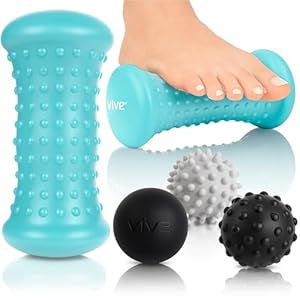
For at-home recovery, targeted sets are handy and travel-friendly. A compact option for focused release is the Vive Massage Ball Set (4 Piece), which covers plantar fascia, calves, glutes, and shoulders with different sizes and textures.
Cooling and contrast therapy for inflammation
Short-term icing can reduce acute inflammation after a particularly intense session. Contrast therapy (alternating cold and warm) encourages circulation and can ease stiffness when used sensibly. Use cold for 10–15 minutes on inflamed areas; follow with gentle movement to restore range of motion.
A practical at-home tool for targeted cooling is an ice roller that’s gentle on soft tissue and simple to use: the XHJRI Ice Cube Roller Massager works well for neck and shoulder soreness, and can be adapted to other small areas.
Breathing, relaxation, and nervous-system reset
Recovery is as much neurological as physical. Slow, diaphragmatic breathing downregulates the sympathetic nervous system, lowers heart rate, and reduces perceived pain. Build short breathing breaks into your day: 4–6 breaths per minute for 3–5 minutes is enough to notice calm.
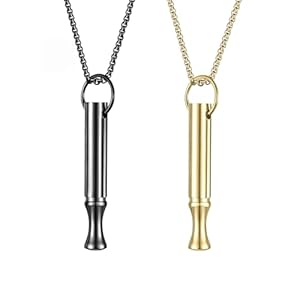
Tools that prompt simple breathwork can help you turn practice into habit. A discreet wearable or cue can remind you to breathe deliberately during a hectic day; for example, a wearable breathing aid like the Veroral 2Pcs Breathing Necklace offers a portable prompt for paced breathing and mindfulness before sleep or after tough workouts.
Sleep and stress management: the foundation of recovery
Quality sleep multiplies the effect of every recovery tactic. Deep sleep supports tissue repair, hormone balance, and memory consolidation (including motor learning). Prioritize consistent bedtimes, a sleep-friendly environment, and evening rituals that signal wind-down.
If stress or restless nights are a recurring barrier, explore targeted supports that promote relaxation and better sleep alongside your behavioral changes: the Stress Relief & Sleep Aids category includes calming supplements, sound tools, and sleep-specific accessories to complement good sleep hygiene.
Low-impact daily movement to speed recovery
Low-impact cardio such as walking, cycling, swimming, or rowing increases circulation without loading joints aggressively. These modalities are ideal on recovery days: they raise heart rate modestly, reduce stiffness, and contribute to calorie balance without muscular strain.
For people short on space, a compact rower provides a full-body, low-impact option that’s easy to scale by effort rather than load. The Sunny Health & Fitness Compact Full-Motion Rower is a practical investment for consistent, controlled movement on rest days.
Create a simple recovery corner at home
Designate a 3–6 square-foot area for post-workout and evening recovery. Include a mat for stretching, small tools (massage ball, foam roller), a water bottle, and an item that promotes relaxation such as a low-light lamp or calming scent. Keep the corner tidy so it’s easy to use daily.
For bedtime routines that cue relaxation, a sleep aid tucked in this corner makes it easier to transition. A targeted supplement for occasional sleeplessness can be part of that routine; choose products specifically formulated for sleep and use them as directed, as part of broader sleep hygiene.
Quick checklist: daily recovery essentials
- 8–12 minute stretch routine (post-workout holds + morning mobility)
- 5 minutes of breathing practice (diaphragmatic, paced)
- 2–5 minutes self-massage on tight spots with small tools
- 20–30 minutes low-impact movement on recovery days
- Nighttime wind-down: dim lights, consistent bedtime, limited screens
- Cold or contrast therapy for acute inflammation when needed
FAQ
Q: How long should I stretch after a workout?
A: Aim for 10–15 minutes post-workout focusing on the major muscles you used. Hold static stretches for 30–60 seconds per muscle group.
Q: Can I use self-massage every day?
A: Yes—gentle myofascial release can be done daily. Avoid aggressive pressure on inflamed or injured tissue; if in doubt, scale back intensity.
Q: When should I ice vs. heat an area?
A: Use ice for acute swelling and recent injuries (first 48–72 hours). Use heat to relax chronic tightness or before activity to increase tissue pliability.
Q: Is a rest day completely inactive?
A: Not necessarily. Rest days are ideal for active recovery—gentle walking, mobility work, and light cycling or rowing to promote circulation without strain.
Q: What if I have trouble sleeping after intense training?
A: Prioritize wind-down routines, reduce late caffeine, and use relaxation techniques. When needed, short-term sleep aids from trusted sources can be part of your plan; explore options within Stress Relief & Sleep Aids.
Q: How quickly will recovery habits show results?
A: You can notice reduced soreness and better mobility in days to weeks. Consistent sleep, movement, and targeted recovery tools compound benefits over months.
Conclusion
Recovery doesn’t require hours of extra time—small daily habits deliver big returns. Build a short stretching routine, use targeted tools for release, incorporate gentle movement, and prioritize sleep and breathing. Start with one new recovery habit this week and make it consistent; your body will respond by moving and feeling better.
For accessible recovery equipment and sleep-support options that fit a home routine, explore curated resources and products designed for wellness and relaxation on the site’s recovery and sleep categories.
Suggested tool to consider as a next step: a compact rower for low-impact movement and a simple ice roller for targeted cooling to integrate into your recovery corner.
Products Featured in This Article

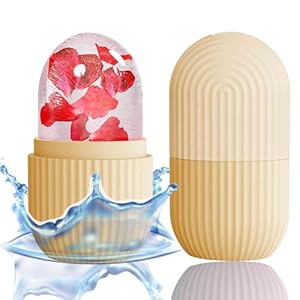
XHJRI Ice Cube Roller Massager for …
💎IMPROVE SKIN: eliminate relief under eye puffiness, brighten complexion, tighten and shrink pores, stimulate blood circulation,…