How to Support Lower Back Comfort With Helpful Fitness Gear
Lower back discomfort is one of the most common complaints for people who exercise, work at desks, or manage chronic stiffness. The right gear won’t cure an underlying condition, but it can reduce strain, improve movement patterns, and speed recovery when used thoughtfully with movement and professional advice.
This guide focuses on practical gear choices and how to use them to support lower back comfort: from low‑impact machines and self‑care tools to posture tech and ergonomic home items. Each recommendation is aimed at improving function and reducing daily load on the lumbar region.
How lower back mechanics inform gear choices
Understanding how the lumbar spine bears load helps pick effective gear. The lower back is designed to transfer force between your legs and upper body; problems arise when muscles are weak, tight, or when repeated poor positions overload the discs and joints. Gear should either offload excessive force (support), enable safe motion (low‑impact training), or assist recovery (manual therapy tools).
Low‑impact machines and cardio that protect the lumbar spine
When building endurance and general strength without jarring the spine, choose equipment that encourages a neutral spine and avoids repetitive compressive forces. Rowing machines, elliptical trainers, and certain recumbent bikes are good options because they deliver full‑body engagement with reduced impact. For home setups, consider a reliable rower that provides smooth resistance and a long glide to promote proper hip hinge mechanics during pulls.
One example to evaluate is the Sunny Health & Fitness Compact Full Motion Rowing Machine, which supports low‑impact, full‑body workouts useful for strengthening posterior chain muscles that stabilize the lower back.
Manual release tools and targeted mobility aids
Self‑massage and trigger‑point tools reduce localized tightness that can pull on the lumbar spine. Small, focal tools allow you to address glutes, piriformis, hamstrings, and the lumbar paraspinals without overstimulating sensitive areas. Use controlled, short sessions before and after workouts to complement active stretching.
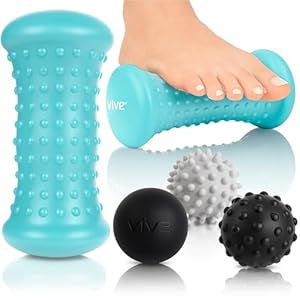
Portable options like a focused trigger point set can make at‑home recovery consistent and convenient. The Vive Massage Ball Set (4 Piece) is a toolbox of different sizes and densities that let you apply pressure to gluteal muscles and hamstrings—key areas that affect lumbar mechanics.
Daily self‑care habits and recovery aids
Consistency with recovery tools and habits often matters more than any single purchase. A daily routine might include targeted mobility work, short sessions on self‑massage tools, and attention to sleep and relaxation to reduce muscle guarding. Products and categories designed around overall wellbeing make it easier to maintain a routine.
Browse curated options in the Wellness & Self-Care section to find items that support a regular recovery routine—foam rollers, mobility bands, and relaxation aids that fit into everyday life.
Supportive clothing, braces, and footwear
Clothing that provides gentle compression or supports posture can be helpful during prolonged activity or when returning to exercise after a flare. Compression shorts or waist supports help some people maintain core awareness; footwear with appropriate arch support reduces altered gait mechanics that stress the lower back.
Look for performance and supportive options in the Clothing category—choose breathable, correctly sized gear and avoid anything that forces an unnatural posture.
Optimize your workspace and home environment
Sustained sitting or awkward standing positions are frequent contributors to lumbar strain. Small changes—seat height, lumbar support, and surface angle—reduce cumulative load. If your work requires long hours at a desk, invest in an ergonomic chair, a lumbar pillow, and a setup that allows sit‑stand alternation.
Explore practical home solutions and items that fit into everyday living through the Home Essentials category; products here include cushions, supports, and small furniture adaptations that improve posture and comfort.
Tech that helps posture, tracking, and gentle prompting
Wearable posture trackers and apps can nudge you to change positions before fatigue leads to poor mechanics. Many devices pair with phone reminders or vibration alerts to prompt a microbreak or stretch—simple cues that prevent hours of static loading on the lumbar discs.
Look into posture tools and supportive tech in the Tech & Gadgets collection to find trackers, stands, and device accessories that integrate into your routine and help you maintain safer positions throughout the day.
When hands‑on therapy and spa tools make sense
Some episodes need professional intervention: persistent pain, neurologic symptoms, or biomechanical issues warrant assessment by a clinician. For maintenance between sessions, professional‑grade modalities and spa‑like recovery tools can provide regular relief—heat, percussion massage, and therapeutic rollers that mimic manual therapy effects.
For at‑home recovery aids and higher‑quality massage tools, the Massage & Spa category offers devices and supplies designed to support professional care at home safely.
Checklist: Practical items to support lower back comfort
- Low‑impact cardio equipment (e.g., rower) — builds endurance without impact (Sunny Health & Fitness Rower)
- Targeted self‑release kit — massage balls or trigger‑point tools (Vive Massage Ball Set)
- Daily mobility and recovery products from Wellness & Self-Care
- Ergonomic seating and lumbar support from Home Essentials
- Supportive clothing and footwear from the Clothing category
- Posture trackers and desk tech from Tech & Gadgets
- Regular access to massage or spa tools via the Massage & Spa category
- Sleep and relaxation aids to reduce muscle guarding from Stress Relief & Sleep Aids
Conclusion: A practical takeaway
Supporting lower back comfort is a combination of movement choices, daily habits, and the right supportive gear. Prioritize gear that encourages neutral mechanics, enables consistent recovery, and integrates into daily life. Start small—add one tool and one habit—and build a routine around movement and restoration.
FAQ
- Can gear alone fix chronic lower back pain?
No. Gear can reduce strain and support recovery, but persistent or severe pain needs professional assessment and a tailored plan combining exercise, manual therapy, and lifestyle changes.
- What is the safest home workout tool for building back strength?
Low‑impact full‑body options like a rowing machine are effective because they strengthen posterior chain muscles without high spinal compression when used with proper form.
- How often should I use self‑massage or trigger‑point tools?
Short sessions (5–15 minutes) before and/or after activity 3–5 times per week are reasonable starting points. Avoid aggressive pressure on inflamed or acutely painful areas.
- Is a lumbar brace helpful during workouts?
A temporary brace can provide proprioceptive feedback and mild support for heavy lifts or during a flare, but long‑term reliance may weaken stabilizing muscles—use it as an adjunct to strengthening and movement retraining.
- How do I choose between ergonomic options for my workspace?
Prioritize adjustability: seat height, lumbar support, monitor height, and ability to alternate sitting and standing. Test items where possible and adapt gradually to avoid sudden changes in load.
Products Featured in This Article